Consultancy
In-person site visit & assessment (Scotland)
We currently offer a practical, site-based assessment combining a soil survey, field observations, soil microscopy and discussion of your growing or land management system. This is designed for farmers, growers and land managers who want to better understand their soils and identify practical ways to support soil health.
What we do
We particularly value visiting you on site, where we can look at your soil in its wider context. We walk the site together, discussing your management practices, site history, observations and any particular challenges or questions you have.
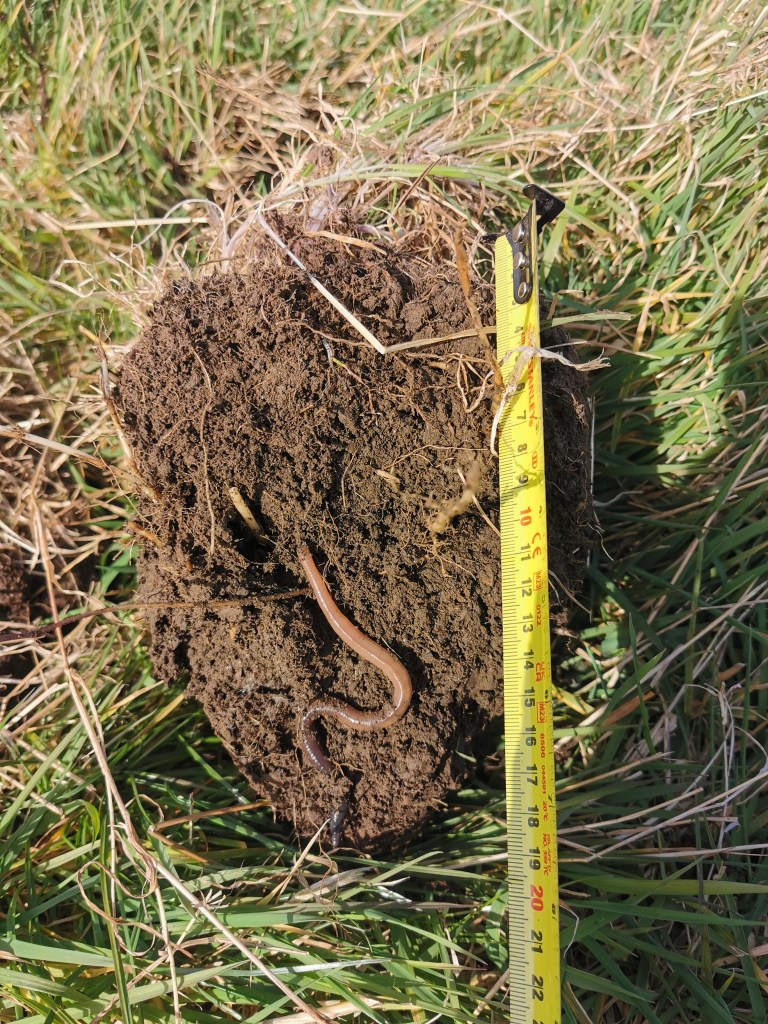
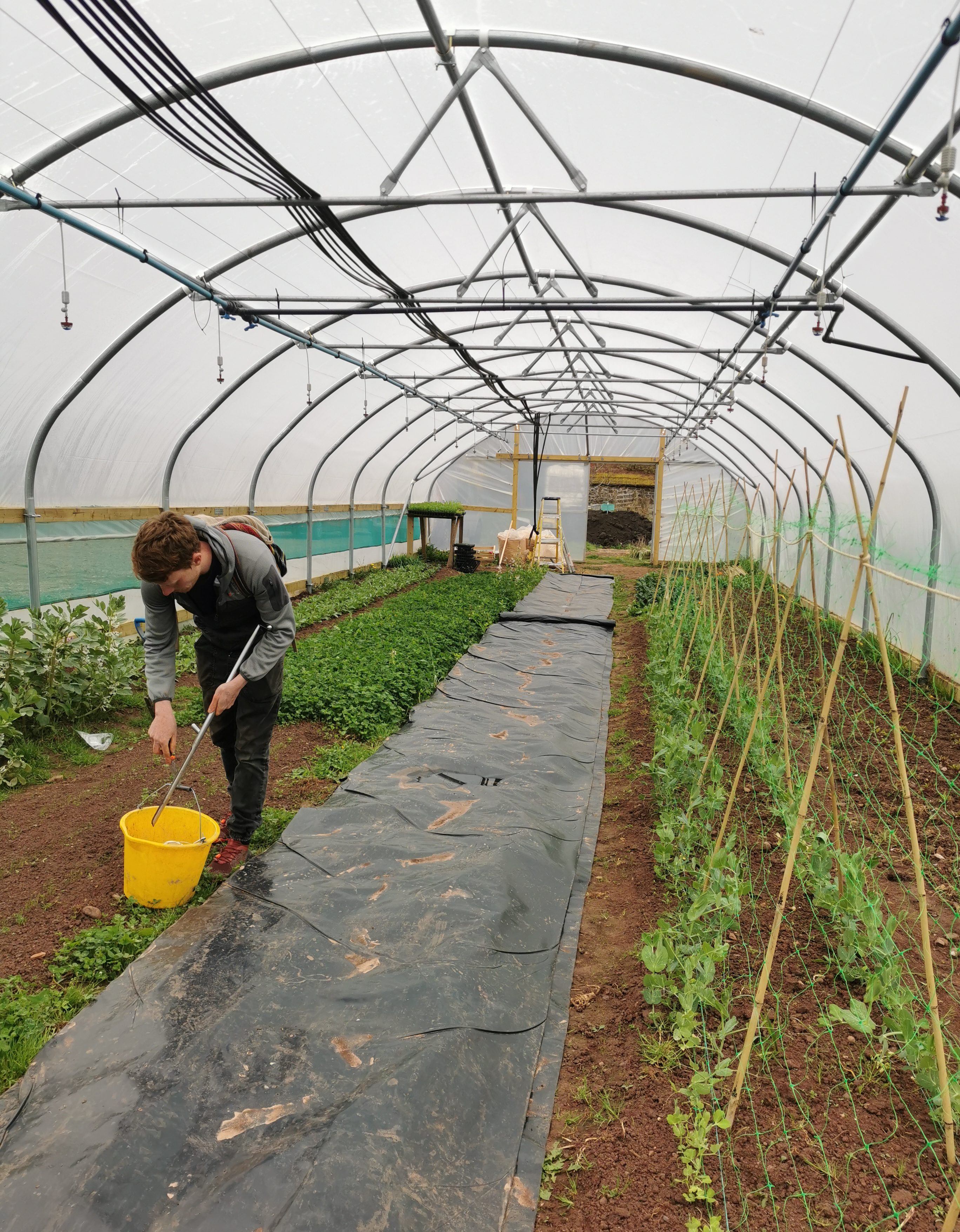
We conduct simple field assessments at different areas of the site, which include looking at soil structure and compaction, rooting and plant health, organic matter and other visible indicators of soil condition and biological activity.
Understanding the biology
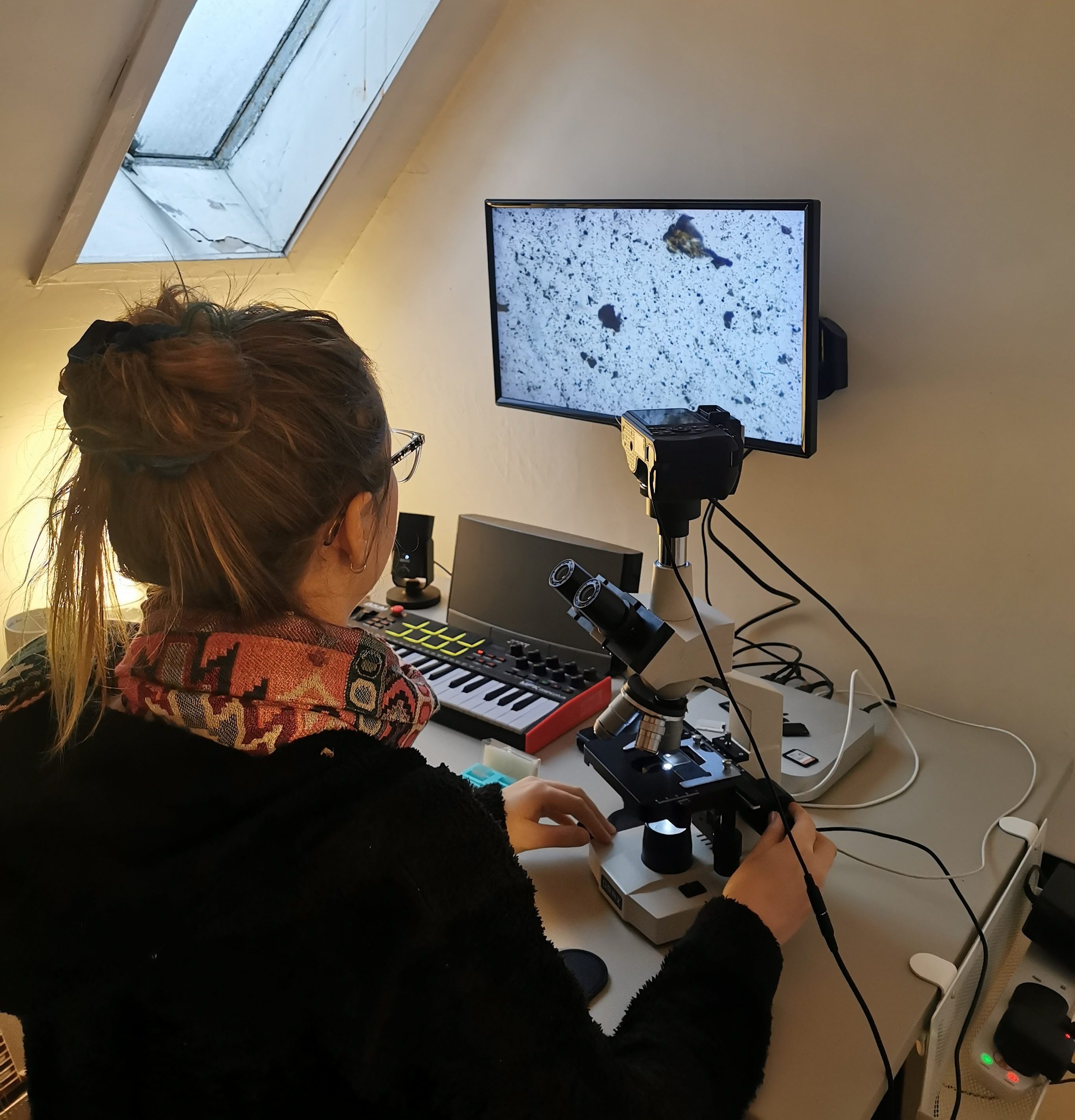
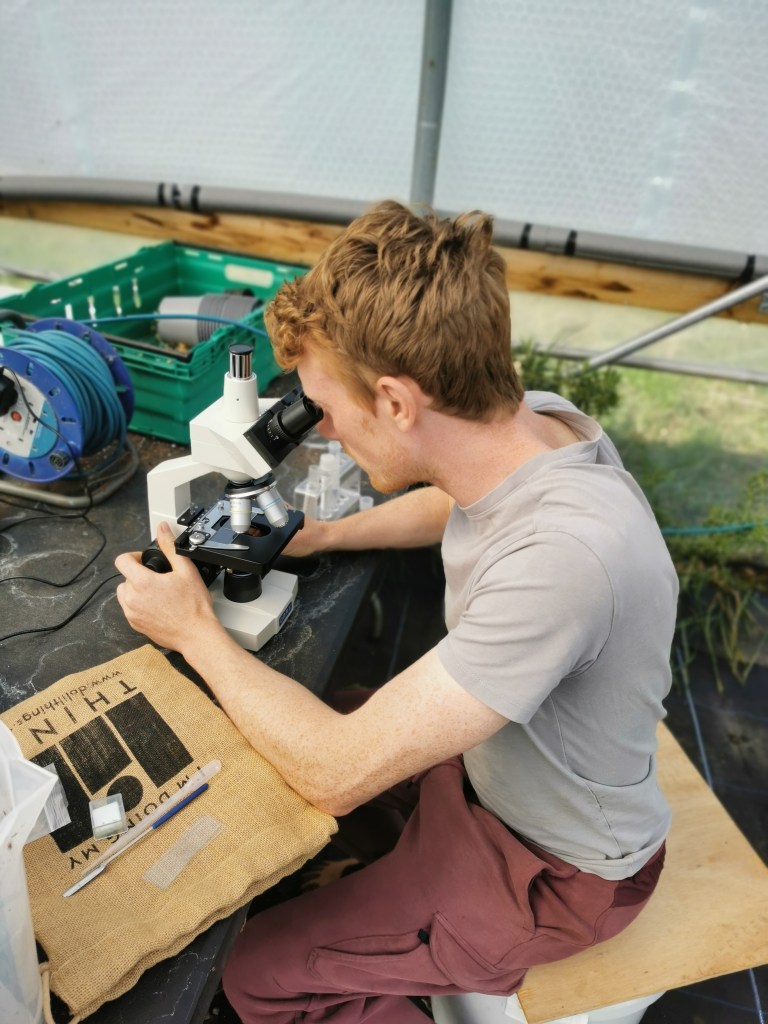
Soil biology is a central part of our approach, alongside the practices that support healthy, active biological communities. We bring our portable microscope and screen, allowing us to collect fresh soil or compost samples and examine them together on site.
We look for key groups of organisms, including bacteria, fungi, protozoa and nematodes, discussing what their presence, absence or relative abundance might indicate about the biological condition of your samples and the wider soil function (especially for nutrient cycling!)
This is a general biological assessment rather than a formal laboratory analysis. While we can offer more detailed assessments, we prefer this practical, on-site approach. Examining fresh samples together allows us to build a general picture of the soil biology, discuss what we see with you in real time, and piece this together with our field observations and your management history, all on the same day.
While we emphasise biology, we also consider soil chemistry and plant nutrition. We can discuss potential nutrient deficiencies or imbalances, commonly limiting elements and how you might investigate these through appropriate testing. While we don’t carry out chemical or nutrient analyses ourselves, we can help you identify what may be useful to test and point you towards appropriate services and resources.
Learn to look at your own soil
A single visit, of course, provides only a snapshot. We therefore see these visits as a useful baseline, while also giving you practical ways to continue assessing your soil yourself. We particularly encourage growers and land managers interested in soil biology to consider getting their own microscope, allowing you to observe how your soil changes over time and throughout the season.
During the visit, we can introduce you to basic sample preparation and simple microscopy diagnostics, helping you understand what to look for and giving you the confidence to continue exploring and monitoring your soils (or compost) yourself!
After the visit
After our visit, we provide a brief summary report bringing together our observations, biological assessment and discussions. This includes practical suggestions for improving or maintaining soil health in relation to your particular site, management approach and goals, alongside useful resources where appropriate.
Our aim isn’t simply to tell you what we found. It’s to help you understand your soil, make sense of what you’re seeing and develop the knowledge and practical skills to continue assessing and managing it yourself.
Interested in working with us?
Our consultancy service is currently in its early stages as we develop and refine our approach. We’re keeping costs accessible while we build the service, so if this sounds like something that could be useful for your land or growing system, please get in touch and we’d be happy to discuss your needs and provide a quote.
Email us at lifetolabuk@gmail.com
Seasonal timing
Soil biology naturally fluctuates throughout the year, so we recommend visits in late spring or early autumn, when soil temperatures and moisture conditions are generally favourable for biological activity. These periods can provide a useful picture of the living soil ecosystem without the extremes of dry, summer conditions or low winter activity.